Behavioural Addictions Treatment in Delhi, India

Best behavioural rehab in Delhi NCR offering therapy, counselling, and structured programs for recovery.

Behavioural addictions are conditions where individuals develop compulsive habits or behaviours that they struggle to control, even when these actions negatively impact their life. Unlike substance addictions, behavioural addictions do not involve drugs or alcohol, but they can be equally harmful to mental health, relationships, and overall well-being.

At Hope Rehab & Wellness, we provide specialised Behavioural Addictions Treatment designed to help individuals regain control and restore balance in their lives. As a trusted provider of Behavioural Addictions Treatment in Delhi and across India, we offer personalised care, therapy, and structured recovery programs for long-term healing.

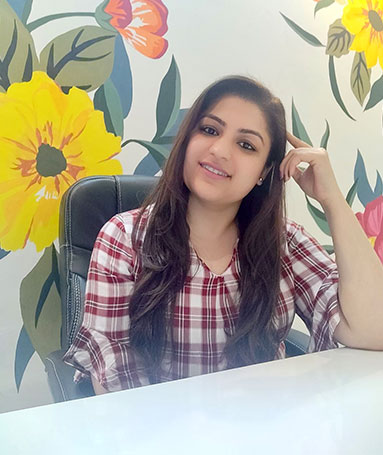
Behavioural addictions treatment counselling session

What Are Behavioural Addictions?

Behavioural addictions involve compulsive engagement in certain behaviours despite negative emotional, social, or functional consequences. Unlike substance addictions, these behaviours do not involve chemicals, but they activate the same reward and impulse-control pathways in the brain, making them equally difficult to manage without professional support. Over time, the behaviour becomes a primary coping mechanism for stress, boredom, anxiety, or emotional discomfort.

Common Types of Behavioural Addictions

Behavioural addictions may include, but are not limited to:

Digital & Screen Related

  • Internet and screen addiction
  • Gaming addiction
  • Social media addiction

Compulsive Behaviours

  • Pornography addiction
  • Compulsive shopping or spending
  • Work addiction

Underlying Patterns

  • Loss of control
  • Emotional reliance
  • Continued distress despite consequences

While the behaviours differ, the underlying patterns of loss of control, emotional reliance, and distress remain similar.

Signs and Symptoms of Behavioural Addictions

Behavioural addictions often develop gradually and may go unnoticed initially. Common signs include:

Behavioural Signs

  • Persistent urges to engage in the behaviour
  • Difficulty reducing or stopping despite negative impact
  • Repeated unsuccessful attempts to regain control

Emotional Signs

  • Using the behaviour to cope with stress or emotions
  • Irritability, restlessness, or low mood when unable to engage
  • Feelings of guilt, shame, or emotional emptiness afterward

Relational Signs

  • Neglect of responsibilities, relationships, or self-care
  • Isolation from loved ones
  • Decline in work or academic performance

Early recognition can prevent long-term emotional and functional impairment.

How Behavioural Addictions Can Be Treated

Treatment focuses on understanding emotional triggers, improving impulse control, and building healthier coping strategies. Effective treatment may include:

Behavioural addictions respond best to structured, psychologically guided care.

Our Behavioural Addictions Treatment Program

At Hope Rehab & Wellness, we offer a comprehensive and personalised approach to recovery.

Psychological Assessment

Our treatment begins with a detailed psychological assessment to understand the nature and severity of behavioural addictions. This evaluation helps identify emotional triggers, underlying mental health conditions, and behavioural patterns. By gaining a clear understanding of each individual's challenges, we create a personalised treatment plan that supports effective recovery and long-term behavioural change.

Individual Therapy

Individual therapy provides a safe and confidential space for clients to explore their thoughts, emotions, and behaviours. Through one-on-one counselling, individuals learn to identify triggers, manage urges, and develop healthier coping strategies. This personalised approach helps build self-awareness and supports long-term recovery from behavioural addictions.

Group Therapy

Group therapy sessions create a supportive environment where individuals can share their experiences and connect with others facing similar challenges. These sessions encourage open communication, reduce feelings of isolation, and build motivation. Peer support plays a key role in maintaining consistency and strengthening commitment to recovery.

Behavioural Therapy

Behavioural therapy focuses on identifying and changing harmful patterns linked to addictive behaviours. Using evidence-based techniques, individuals learn to control impulses, manage triggers, and replace negative habits with healthier alternatives. This approach helps improve self-discipline and supports long-term behavioural change.

Lifestyle & Habit Rebuilding

Recovery involves rebuilding daily routines and adopting healthier lifestyle habits. We help individuals replace addictive behaviours with positive activities such as exercise, mindfulness, and structured routines. This process improves overall well-being, restores balance, and supports a more stable and productive life.

Relapse Prevention & Aftercare

Relapse prevention and aftercare are essential for maintaining long-term recovery. We provide ongoing support, counselling, and practical strategies to help individuals manage triggers and avoid setbacks. Our structured aftercare programs ensure continued guidance, helping individuals stay on track and build a stable, addiction-free life.

How Hope Rehab & Wellness Supports Recovery from Behavioural Addictions

At Hope Rehab & Wellness, behavioural addictions are treated through a structured, confidential, and psychologically driven recovery program. Our approach includes:

We help individuals break compulsive patterns, regain control, and develop healthier ways of coping and living.

Frequently Asked Questions (FAQs)

What are behavioural addictions? +
Behavioural addictions are compulsive habits or behaviours that individuals struggle to control, even when these actions negatively impact their life. Unlike substance addictions, they do not involve drugs or alcohol but activate the same reward pathways in the brain.
What are common types of behavioural addictions? +
Common types include internet and screen addiction, gaming addiction, pornography addiction, compulsive shopping or spending, work addiction, and social media addiction.
What are the signs of behavioural addictions? +
Common signs include persistent urges to engage in the behaviour, difficulty stopping despite negative consequences, using the behaviour to cope with stress, neglect of responsibilities, and feelings of guilt or shame afterward.
How are behavioural addictions treated? +
Treatment focuses on understanding emotional triggers, improving impulse control, and building healthier coping strategies through psychological assessment, individual therapy, behavioural therapy, group support, and relapse prevention planning.
Where can I find behavioural addictions treatment in Delhi? +
Delhi offers several advanced rehabilitation centers with specialized behavioural addiction treatment programs. Hope Rehab & Wellness is a trusted provider of Behavioural Addictions Treatment in Delhi with personalized care plans.
Why should I choose behavioural addictions treatment in India? +
Rehabilitation centers in India offer high-quality care with experienced professionals at affordable costs. Many programs integrate modern therapies with holistic practices like yoga and meditation for comprehensive healing.
How long does behavioural addictions treatment usually take? +
Treatment duration varies depending on individual needs and severity of addiction. Most structured programs range from 30 to 90 days, with continued aftercare for long-term success.
Can behavioural addictions be treated at home? +
While family support is valuable, treating behavioural addictions at home can be challenging due to easy access to triggers. A rehabilitation setting provides a structured, safe, and trigger-free environment for better outcomes.
Does health insurance cover behavioural addictions treatment in India? +
Many insurance providers in India now include coverage for mental health and behavioural disorders. Coverage may vary based on the policy and treatment center.
How can I support a loved one with behavioural addiction? +
Supporting a loved one involves encouragement, patience, and active participation when possible. Attending family therapy sessions and maintaining a non-judgmental environment can help in long-term recovery.

Begin Your Path to Recovery Today

Get professional help from the best behavioural addictions treatment centre in Delhi & India. Evidence-based care, compassionate support, and lasting results.

Book Your Consultation Call Now
whatsApp
UK whatsApp