• Home
  • |
  • Dual Diagnosis

Dual Diagnosis Treatment Centers in Delhi, India

Leading dual diagnosis rehab centre in Delhi offering therapy, counselling, and long-term recovery support.

Dual diagnosis refers to a condition where an individual experiences both a mental health disorder and a substance use disorder at the same time. These co-occurring conditions often interact with each other, making recovery more complex and challenging.

At Hope Rehab & Wellness, we provide specialised dual diagnosis treatment that addresses both mental health and addiction together. As a trusted provider of dual diagnosis treatment in Delhi NCR and across India, we offer personalised, evidence-based care designed for long-term recovery.

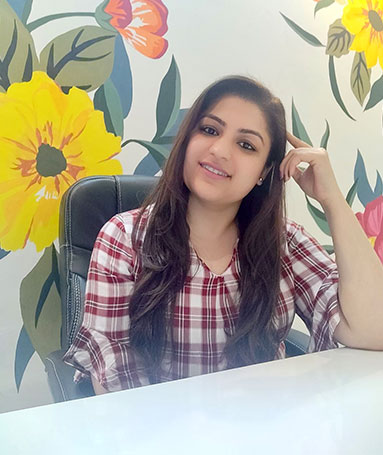
Dual diagnosis treatment counselling session

What Is Dual Diagnosis?

Dual Diagnosis refers to the coexistence of mental health disorders and substance use disorders in the same individual. Many people experience overlapping challenges — for example, depression, anxiety, OCD, or trauma-related conditions alongside alcohol, cocaine, or prescription drug use. Addressing both simultaneously is essential for effective, lasting recovery.

Common Examples of Dual Diagnosis

Dual diagnosis refers to the co-occurrence of a mental health disorder and a substance use disorder. Because these conditions often fuel one another, treating them in isolation is rarely effective. A specialized dual diagnosis treatment plan addresses both issues simultaneously, ensuring that the psychological triggers and the physical addiction are managed together for a more stable and lasting recovery.

Depression and Alcohol Addiction

Many individuals turn to alcohol to numb persistent sadness, but alcohol ultimately worsens depressive symptoms. Effective dual diagnosis treatment in Delhi breaks this cycle by treating the underlying mood disorder alongside medically supervised detoxification.

Anxiety and Drug Dependency

Anxiety disorders often lead individuals to seek relief through sedatives or stimulants, creating dangerous dependency. Professional dual diagnosis treatment in India helps patients develop healthy emotional regulation skills, reducing the need for chemical reliance.

Bipolar Disorder and Substance Abuse

Individuals with bipolar disorder may use substances to manage manic "highs" or depressive "lows." A comprehensive dual diagnosis treatment plan incorporates mood-stabilizing medications alongside behavioral therapies.

PTSD and Opioid Addiction

PTSD creates constant hyper-vigilance and painful flashbacks, leading many to escape through opioids. High-quality dual diagnosis treatment in Delhi utilizes trauma-informed care to process the original injury while treating opioid addiction.

Schizophrenia and Cannabis Use

There is a significant link between schizophrenia and high-potency cannabis use, which can trigger or worsen psychotic episodes. Specialized dual diagnosis treatment in India ensures precise clinical oversight to balance antipsychotic treatments with substance abuse counseling.

Causes of Dual Diagnosis

Dual diagnosis develops due to a combination of factors:

Biological

  • Brain chemistry imbalances
  • Genetic predisposition

Environmental

  • Trauma or stressful life events
  • Environmental influences

Psychological

  • Self-medication using drugs or alcohol
  • Poor coping mechanisms

Neurological

  • Long-term substance use affecting brain function
  • Neurochemical changes

Signs and Symptoms of Dual Diagnosis

Identifying a dual diagnosis can be challenging because the symptoms of mental health disorders and addiction often overlap and mask one another. Recognizing these combined red flags is the first step toward seeking a specialized dual diagnosis treatment plan. Early intervention is key to disentangling these two issues and providing a clear path toward physical and psychological stability.

Emotional Signs

  • Mood swings or depression
  • Anxiety or panic attacks
  • Emotional instability
  • Feelings of hopelessness

Behavioural Signs

  • Loss of control over substance use
  • Cravings and dependency
  • Risky or impulsive behaviour
  • Social withdrawal and isolation

Cognitive & Physical Signs

  • Difficulty concentrating
  • Withdrawal symptoms when stopping
  • Increased tolerance to substances
  • Difficulty maintaining relationships or work

Effects of Untreated Dual Diagnosis

If left untreated, dual diagnosis can lead to:

Worsening Mental Health

Untreated mental health conditions become more severe over time, leading to increased distress and dysfunction.

Increased Substance Dependency

Addiction escalates as individuals rely more heavily on substances to manage untreated psychological symptoms.

Higher Risk of Relapse

Without integrated treatment, relapse rates are significantly higher for both conditions.

Relationship Issues

Strained relationships with family, friends, and colleagues due to unpredictable behaviour and broken trust.

Reduced Quality of Life

Decline in overall well-being, productivity, and life satisfaction.

Why Professional Dual Diagnosis Treatment is Important

Dual diagnosis requires a structured and integrated approach to care. Professional dual diagnosis treatment centers provide:

Simultaneous Treatment

Both mental health and substance use disorders are treated together, not separately.

Medical & Psychiatric Care

Comprehensive oversight from both medical and psychiatric professionals.

Therapy & Counselling

Evidence-based therapeutic interventions tailored to co-occurring conditions.

Behavioural Interventions

Strategies to change harmful patterns of thinking and behaviour.

Long-term Recovery Planning

Comprehensive aftercare to maintain stability and prevent relapse.

Our Dual Diagnosis Treatment Program

At Hope Rehab & Wellness, we offer a comprehensive and personalised approach to recovery.

Psychological Assessment

Our program begins with a comprehensive psychological assessment to accurately diagnose both mental health and substance use disorders. This detailed evaluation helps identify underlying causes, triggers, and severity. Based on these insights, we develop a personalised dual diagnosis treatment plan for targeted care.

Individual Therapy

Individual therapy provides a safe and confidential space to explore the connection between mental health and addiction. Through one-on-one counselling, individuals gain self-awareness, process emotional challenges, and develop healthier coping strategies.

Group Therapy

Group therapy sessions offer a supportive environment where individuals can share experiences and connect with others facing similar challenges. This reduces feelings of isolation and builds a sense of community, encouraging motivation and commitment.

Medication Management

When necessary, medications are carefully prescribed and monitored by experienced professionals to manage symptoms such as anxiety, depression, or withdrawal. Regular follow-ups ensure safety and effectiveness throughout recovery.

Behavioural Therapy

Using evidence-based approaches like CBT, individuals learn to manage cravings, improve decision-making, and build healthier habits. This therapy plays a key role in achieving long-term recovery and preventing relapse.

Holistic Healing Programs

Activities such as yoga and meditation help reduce stress and promote emotional balance. We also provide lifestyle and wellness support to encourage healthy habits and enhance overall recovery.

Family Therapy & Support

Family involvement is an important part of recovery. We provide family therapy sessions to rebuild trust, improve communication, and educate loved ones about dual diagnosis, creating a supportive home environment.

Relapse Prevention & Aftercare

We provide ongoing counselling, support, and practical strategies to help individuals manage triggers and avoid setbacks. Our structured aftercare programs ensure continuous guidance for maintaining stability in both mental health and addiction recovery.

Take the First Step Toward Complete Recovery

Integrated, compassionate care for co-occurring disorders. Start your journey today.

Book Your Consultation

Frequently Asked Questions (FAQs)

What is a dual diagnosis, and why is specialized treatment necessary?+
A dual diagnosis occurs when an individual suffers from both a mental health disorder (like anxiety or depression) and a substance use disorder simultaneously. Specialized dual diagnosis addiction treatment is necessary because treating only one condition often leads to a relapse in the other. Both must be addressed together for sustainable recovery.
How do I know if I need a dual diagnosis treatment center?+
If you find yourself using drugs or alcohol to cope with emotional pain, or if your mental health worsens when you are sober, you likely require a dual diagnosis treatment center. These facilities are equipped with both psychiatric and addiction specialists to manage complex cases that standard rehabs might miss.
What are the most common mental health issues found in dual diagnosis?+
Common combinations include depression with alcohol addiction, anxiety with benzodiazepine dependency, and PTSD with opioid use. Identifying these combinations is the first step in creating an effective dual diagnosis treatment plan that targets the root cause of addictive behavior.
Why should I choose dual diagnosis treatment in Delhi NCR at Hope Rehab?+
Choosing dual diagnosis treatment in Delhi NCR allows patients to access world-class clinical care close to home. Hope Rehab & Wellness offers a residential, secure environment with 24/7 medical monitoring, essential for managing the volatile nature of co-occurring disorders.
Is the treatment plan the same for everyone?+
No. Every dual diagnosis treatment plan at our center is personalized. We conduct a thorough psychological and physical assessment to understand your specific triggers, ensuring that your therapy, medication, and guidance are tailored to your unique history and goals.
What makes dual diagnosis treatment in India different from standard rehab?+
Standard rehabs often focus primarily on detoxification. However, leading dual diagnosis treatment centers in India, like Hope Rehab, provide "integrated treatment" where your psychiatrist and addiction counselor work as one team to treat your mind and body at the same time.
Can medication be used during dual diagnosis addiction treatment?+
Yes. In many cases, non-addictive psychiatric medications are used to stabilize mood disorders or psychosis. Our medical team provides constant oversight to ensure any medication supports your recovery without creating a new dependency, a key feature of dual diagnosis treatment in Delhi.
How long does the treatment typically last?+
The duration varies based on the severity of the conditions. However, most successful dual diagnosis addiction treatment programs recommend a stay of 30 to 90 days, allowing enough time for the brain to heal from substance use while making meaningful progress in psychological therapy.
Does Hope Rehab involve the family in the recovery process?+
Yes. Family support is a pillar of our dual diagnosis treatment in India. We offer family counseling sessions to help loved ones understand the complexity of co-occurring disorders and learn how to provide a supportive, trigger-free environment once the patient returns home.
What happens after leaving the dual diagnosis treatment center?+
Recovery is a lifelong journey. We provide a robust aftercare and relapse prevention plan, including ongoing therapy and support group recommendations. This ensures that the progress made during your dual diagnosis treatment in Delhi translates into long-term stability and health.

Start Your Recovery Journey Today

Get professional help from the best dual diagnosis treatment centre in Delhi & India. Evidence-based care, compassionate support, and lasting results.

Book Your Consultation Call Now
whatsApp
UK whatsApp